
| 30–50%
Language premium over same-level peers |
50K+
Bilingual tech profiles in Reco’s vetted pool |
69%
Of Vietnam companies expanding tech headcount in 2026 (ITviec) |
1. Why Vietnam – and why the case is already closed
Vietnam is no longer an emerging talent market. It has matured into a resilient, high-margin delivery hub with structural advantages that compound year over year. For organizations building or scaling international tech delivery centers, the question is no longer whether to hire here – it is how to hire correctly.
| Talent depth
530,000+ Active software engineers in workforceVietnam’s universities and coding bootcamps produce 100,000+ IT graduates annually – making it one of Southeast Asia’s fastest-growing tech talent pools by headcount. Source: GSO & Ministry of Information & Communications, Vietnam |
Cost arbitrage
60–70% Cost advantage vs. SingaporeA Senior Fullstack or AI/ML Engineer in Vietnam at $4,000–5,000/month delivers equivalent output at a fraction of Singapore or US costs, where comparable seniority exceeds $10,000/month. 2026 CIO benchmark data |
Time zone
GMT+7 Natural APAC working-hour overlapVietnam shares a seamless working schedule with Tokyo, Seoul, and Singapore — eliminating the async bottleneck (12–24hr reply lag) that plagues Eastern European and South Asian delivery centers for Asian clients. |
Tech maturity
Global R&D standard Proven by the world’s largest firmsThe “Vietnam only does simple outsourcing” stereotype is obsolete. The presence of major global R&D centers is the clearest signal that Vietnamese engineers are operating at international standards. Samsung R&D Hanoi — largest in SEALGIntelBosch |
Language capability
Above-average English proficiency for an Asian offshore marketAccording to the EF English Proficiency Index, Vietnam consistently ranks in the “Moderate to High” proficiency band across Asia — outperforming several traditional offshore markets in the APAC region at the working-engineer level. A growing segment of engineers now holds professional working fluency in English, Japanese, or Korean, creating a rare bilingual talent profile that drives modern cross-border tech operations. Source: EF English Proficiency Index (EF EPI) The structural case for Vietnam is closed. The execution gap, identifying and retaining bilingual tech talent before competitors do, is where organizations are now winning or losing. |
2. 2026 Vietnam compensation matrix
Unit: USD / month (gross) · Location: Hanoi & Ho Chi Minh City · Source: Reco Manpower placement data, 2026
1. Emerging Tech — High-demand, fastest-appreciating roles
AI/ML, Data, Cloud, and Cybersecurity profiles are commanding the steepest salary curves in 2026. Production-level experience — not just certification — is the key pricing variable in this group.
| Role | Level | English (B2–C1) | Japanese (N3–N1) | Korean (TOPIK 4–6) |
| AI / ML Engineer | Mid-Senior (3–5 yrs) | $2,089 – $3,419 | $1,710 – $2,659 | $1,823 – $2,849 |
| Senior / Expert (5+ yrs)* | $3,799 – $6,078+ | $3,229 – $4,938 | $3,419 – $5,318 | |
| Data Engineer (incl. Architect) | Mid-Senior (3–5 yrs) | $1,899 – $3,039 | $1,520 – $2,469 | $1,595 – $2,659 |
| Senior / Expert (5+ yrs) | $3,419 – $5,508 | $2,849 – $4,368 | $3,039 – $4,748 | |
| Cloud / DevOps Engineer | Mid-Senior (3–5 yrs) | $1,823 – $2,963 | $1,444 – $2,355 | $1,520 – $2,583 |
| Senior / Expert (5+ yrs) | $3,229 – $5,128 | $2,659 – $4,179 | $2,849 – $4,558 | |
| Cybersecurity / SecOps | Mid-Senior (3–5 yrs) | $1,975 – $3,229 | $1,595 – $2,583 | $1,710 – $2,735 |
| Senior / Expert (5+ yrs) | $3,609 – $5,698+ | $3,039 – $4,558 | $3,229 – $4,938 |
* AI/ML Senior ceiling reflects production ML systems experience. Pure research profiles without deployment track record typically land in the 85–120M band.
2. Hard Tech — Core execution, stable premium curve
Standard developer and architect roles maintain consistent demand. The language premium at Senior and Tech Lead level is where compensation diverges most sharply from monolingual peers.
| Role | Level | English (B2–C1) | Japanese (N3–N1) | Korean (TOPIK 4–6) |
| Developer / Engineer (Frontend/Backend/Fullstack/Mobile) | Junior (1–3 yrs) | $950 – $1,520 | $760 – $1,216 | $836 – $1,330 |
| Mid-Senior (3–5 yrs) | $1,710 – $2,849 | $1,330 – $2,279 | $1,444 – $2,469 | |
| Senior (5+ yrs) | $3,039 – $4,558 | $2,469 – $3,419 | $2,659 – $3,609 | |
| Tech Lead / Architect | Executive / Management | $3,419 – $6,078+ | $3,039 – $4,938 | $3,229 – $5,318 |
3. Tech-Adjacent — Business & bridge roles, language-weighted
Language carries 50–85% of the compensation weight in this group. The BrSE vs. IT Comtor ceiling gap (2.5x) is the most commonly mispriced differential in East Asian FDI hiring.
| Role | Level | English (B2–C1) | Japanese (N3–N1) | Korean (TOPIK 4–6) |
| Business Analyst / PO | Junior (1–3 yrs) | $836 – $1,330 | $760 – $1,140 | $760 – $1,216 |
| Mid-Senior (3–5 yrs) | $1,444 – $2,469 | $1,216 – $2,089 | $1,330 – $2,203 | |
| Senior (5+ yrs) | $2,659 – $3,419 | $2,279 – $3,039 | $2,355 – $3,229 | |
| Project Manager / Scrum Master | Mid-Level | $1,710 – $2,659 | $1,520 – $2,279 | $1,595 – $2,469 |
| Senior / Director | $3,039 – $4,938+ | $2,659 – $4,179 | $2,849 – $4,558 | |
| Bridge Engineer (BrSE) | Senior (5+ yrs)* | Không phổ biến | $2,469 – $3,989 | $2,279 – $3,609 |
| IT Comtor | Senior (5+ yrs)* | N/A | $1,140 – $1,710 | $1,064 – $1,520 |
* BrSE ceiling of 105M reflects engineers with N1–N2 Japanese + 5+ years software development. IT Comtor ceiling reflects pure translation/interpretation roles without technical scope expansion.
3. 3 structural realities the data exposes
1.English-sector engineering holds a persistent 15–20% premium
Western MNCs benchmark against global rates. Hiring a Senior Engineer in Vietnam at $4,000–5,000/month is still massive arbitrage vs. Singapore or the US — and that headroom flows directly into local compensation flexibility.
2. BrSE and IT Comtor are not the same market — mispricing costs you twice
IT Comtor: language specialist, ceiling ~45M/month. Bridge Engineer: software engineer who codes, audits architecture, and owns cross-border delivery accountability — ceiling 105M/month. Same language requirement, entirely different value. Treating them as interchangeable creates overpayment or attrition.
3. The “Technical BA” is the fastest-appreciating profile in tech-adjacent roles
Generic BAs managing wireframes and documentation are losing ground. What 2026 is competing for: a BA who negotiates requirements directly with international clients, understands technical constraints, and writes SRS tight enough that the dev team doesn’t need a second confirmation loop.
4. The hidden pain points – and how Reco solves them
These are the friction points that only surface after you’ve entered the market. Most agencies don’t tell you. Reco has seen every one of them — and built specific processes to address each.
1. Bilingual talent doesn’t post on job boards – and your JD reaches the wrong pool
Bilingual engineers are passive candidates, already employed, and rarely browsing open listings. Most job postings in Vietnam return monolingual applicants by default — creating a false signal that bilingual talent doesn’t exist at the volume needed.
How Reco solves it: Reco maintains a private, vetted talent pool of 50,000+ bilingual IT professionals. Every search engagement bypasses the open market entirely — shortlisting starts from pre-verified candidates with confirmed language proficiency at the required working level.
2. The certificate illusion: TOEIC 800 on paper, silent in a technical meeting
Many candidates hold TOEIC 800+, IELTS 6.5, JLPT N2, or TOPIK 5 on paper – and completely freeze when required to run a technical debate directly with a foreign client. Screening from CV alone wastes an average of 3–4 weeks on candidates who are fluent in test formats, not in real working conditions.
How Reco solves it: 100% of Reco candidates go through a mandatory Live Communication Audit before being presented to any client — a direct, high-pressure interview conducted entirely in the target language. Clients receive only candidates with confirmed working proficiency, not certificate collections.
3. Interview ghosting & last-minute offer drops — the cost of a slow hiring process
Vietnam’s bilingual tech segment has one of the highest candidate ghosting rates in the region. Strong engineers are fielding 3–5 simultaneous interview processes. Foreign companies with 5+ interview rounds or slow offer timelines consistently lose candidates to faster-moving local competitors — after weeks of invested evaluation time.
How Reco solves it: Reco applies a pre-commitment screening protocol from the first touchpoint – assessing candidate motivation, competing offers, and timeline transparency before a single client interview is scheduled. The hiring process is streamlined to a maximum of 2–3 rounds, closing offers before attrition risk compounds.
4. Language proficiency ≠ cultural fit for Japanese and Korean FDIs
For East Asian FDI clients, N2 Japanese or TOPIK 5 Korean is necessary — but not sufficient. Japanese and Korean corporate environments require specific cultural adaptability: hierarchy awareness, indirect communication norms, and long-term commitment signals that standard tech interviews never surface. Hires that pass language screening still fail at 6 months due to cultural misalignment.
How Reco solves it: Reco’s screening for Japanese and Korean FDI roles includes a dedicated cultural competency assessment — conducted by consultants with direct operational experience in both corporate cultures. Candidates are evaluated for long-term organizational fit, not just a language score on a certificate.
5. High first-year attrition after placement — the hire that didn’t stick
Bilingual tech talent is the most competed-over segment in the market. Even after a successful hire, retention becomes the next challenge — competing employers can offer lateral moves with meaningful salary premiums. First-year attrition in this segment is costly, disruptive to delivery commitments, and rarely flagged before a resignation letter arrives.
How Reco solves it: Reco provides post-placement retention advisory for the first 12 months – monitoring engagement signals and flagging attrition risk before it becomes a resignation. Retention strategy is part of every placement engagement, not an afterthought.
5. How Reco Manpower addresses these patterns operationally
- Pre-search compensation calibration: aligning salary ranges to current market data before a JD is written, eliminating offer-stage failures caused by misaligned budgets.
- Live Communication Audit: every candidate undergoes a direct, high-pressure interview conducted entirely in the target language before being presented. Certificate scores are noted; working proficiency is verified independently.
- Pre-commitment screening: candidate motivation, competing offers, and timeline are assessed at first contact. Reco does not advance candidates who are unlikely to close, regardless of technical profile.
- Cultural fit layer for East Asian FDIs: a separate assessment for Japanese and Korean corporate environment compatibility, conducted by consultants with direct operational experience in both cultures.
- 12-month post-placement advisory: monitoring engagement signals and flagging retention risk before it reaches resignation. First-year attrition in the bilingual segment is predictable; it is not addressed after the fact here.
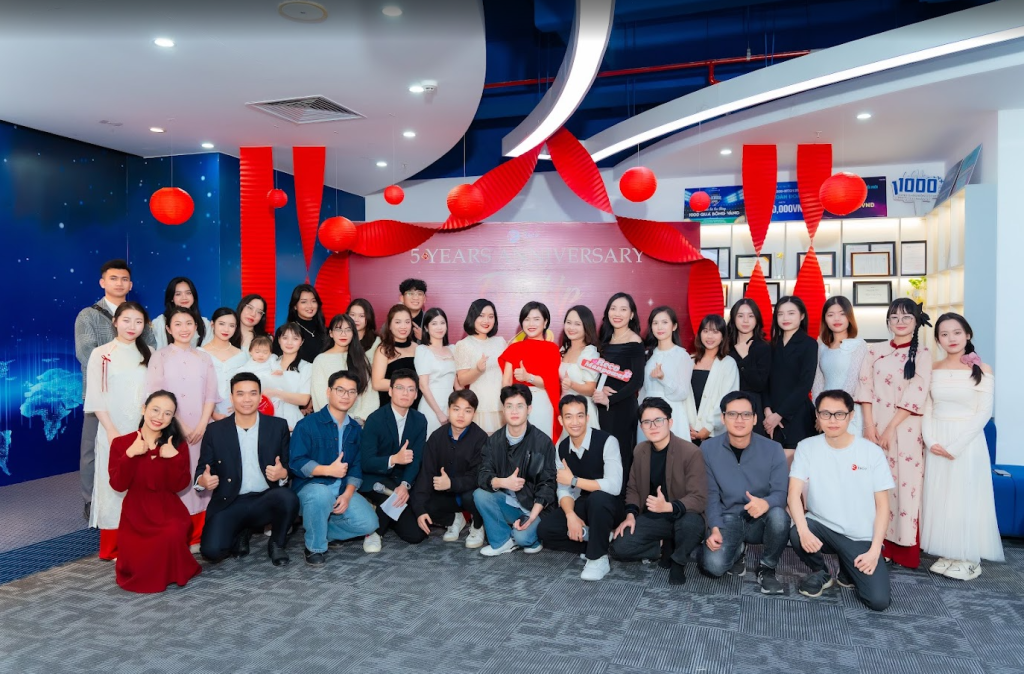
Looking to hire reliable and highly qualified tech professionals in Vietnam? Reach out to Reco Manpower today for tailored recruitment solutions that match your business needs.
FAQs
Both — at different levels. Junior and Fresher supply significantly exceeds demand. Senior, Lead, and specialist roles (AI/ML, Cloud, Cybersecurity) face genuine scarcity. The market is bifurcated, and hiring strategy needs to reflect which segment you are competing in.
Through open job postings, 6–10 weeks is common — with a high rate of late-stage candidate drop-off. Through direct headhunting with a pre-vetted network, 2–3 weeks is achievable. The speed gap is structural, not a process optimization issue.
Under the Reco7 model, clients receive a pre-screened, qualified shortlist within 7 business days of search initiation. Post-placement, Reco provides retention advisory for 12 months. Specific SLA terms are defined per engagement based on role complexity.